
K
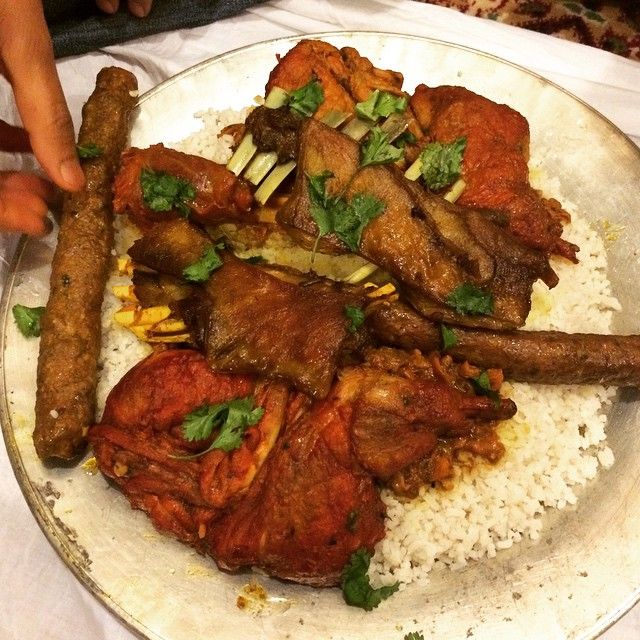
Kashmiri Wazwan is not just food
Kashmiri Wazwan is not just food—it is a grand celebration of culture, tradition, and hospitality. Known as the pride of Kashmiri cuisine, Wazwan represents the rich culinary heritage of the Kashmir Valley and holds a special place in the hearts of its people. From weddings to festivals, this royal feast is an essential part of every major celebration.
What Makes Wazwan Special?
Wazwan is a multi-course meal that can include anywhere between 7 and 36 dishes, primarily made from mutton. What makes it unique is not just the variety, but the traditional way in which it is prepared and served.
The feast is cooked by highly skilled chefs known as Wazas, who inherit their expertise through generations. Each dish is carefully prepared using authentic techniques, ensuring rich flavors and perfect texture.
Another unique aspect of Wazwan is its serving style. It is traditionally presented in a large copper plate called a Trami, which is shared by four people. This symbolizes unity, togetherness, and the warmth of Kashmiri hospitality.
A Glimpse into History
The roots of Kashmiri Wazwan can be traced back to the Mughal era, when Persian culinary traditions influenced the region. Over time, these external influences blended beautifully with local Kashmiri ingredients and cooking styles, creating a cuisine that is both rich and unique.
The head chef, known as the Vasta Waza, ensures that every dish meets traditional standards and maintains the authenticity of the feast.
Famous Dishes of Wazwan
Wazwan is famous for its wide variety of flavorful dishes. Some of the most popular ones include:
- Rista – Soft meatballs cooked in a spicy red gravy, known for their smooth texture.
- Gushtaba – Often considered the final and most important dish, made with finely pounded mutton in a creamy yogurt-based sauce.
- Rogan Josh – A world-famous Kashmiri curry prepared with tender meat and aromatic spices.
- Yakhni – A mild and comforting yogurt-based curry flavored with fennel and dry ginger.
- Tabak Maaz – Crispy fried lamb ribs that are crunchy on the outside and juicy on the inside.
- Daniwal Korma & Aab Gosht – Dishes that add balance and variety to the feast.
Traditional Cooking Techniques
The preparation of Wazwan is an art. Meat is finely pounded using a wooden hammer known as Goshpare, which helps achieve the perfect texture for dishes like Rista and Gushtaba.
Spices such as fennel powder, dry ginger, cloves, cardamom, and Kashmiri red chili are used generously. Interestingly, these are measured based on experience rather than written recipes.
Cooking is done slowly over firewood in large copper vessels, allowing the flavors to develop fully and giving Wazwan its distinctive aroma and taste.
More Than Just a Meal
Wazwan is more than food—it is an experience that brings people together. It reflects the essence of Kashmiri culture, where sharing a meal is a symbol of love, respect, and community.
Whether you are visiting Kashmir or attending a traditional celebration, experiencing Wazwan is something truly unforgettable. It is a perfect blend of taste, tradition, and togetherness.
In conclusion, Kashmiri Wazwan stands as a symbol of cultural richness and culinary excellence. Its timeless traditions and unforgettable flavors continue to make it one of the most cherished cuisines in the world.